
Pallet Racking Systems
Pallet Racking Systems
Pallet racking systems are used when palletized inventory needs to be stored, accessed, and moved efficiently using forklifts. They form the backbone of storage in warehouses and manufacturing facilities where volume, weight, and consistency matter.
When planned correctly, pallet racking supports predictable traffic flow, improves vertical space utilization, and scales as inventory demands grow without disrupting operations.
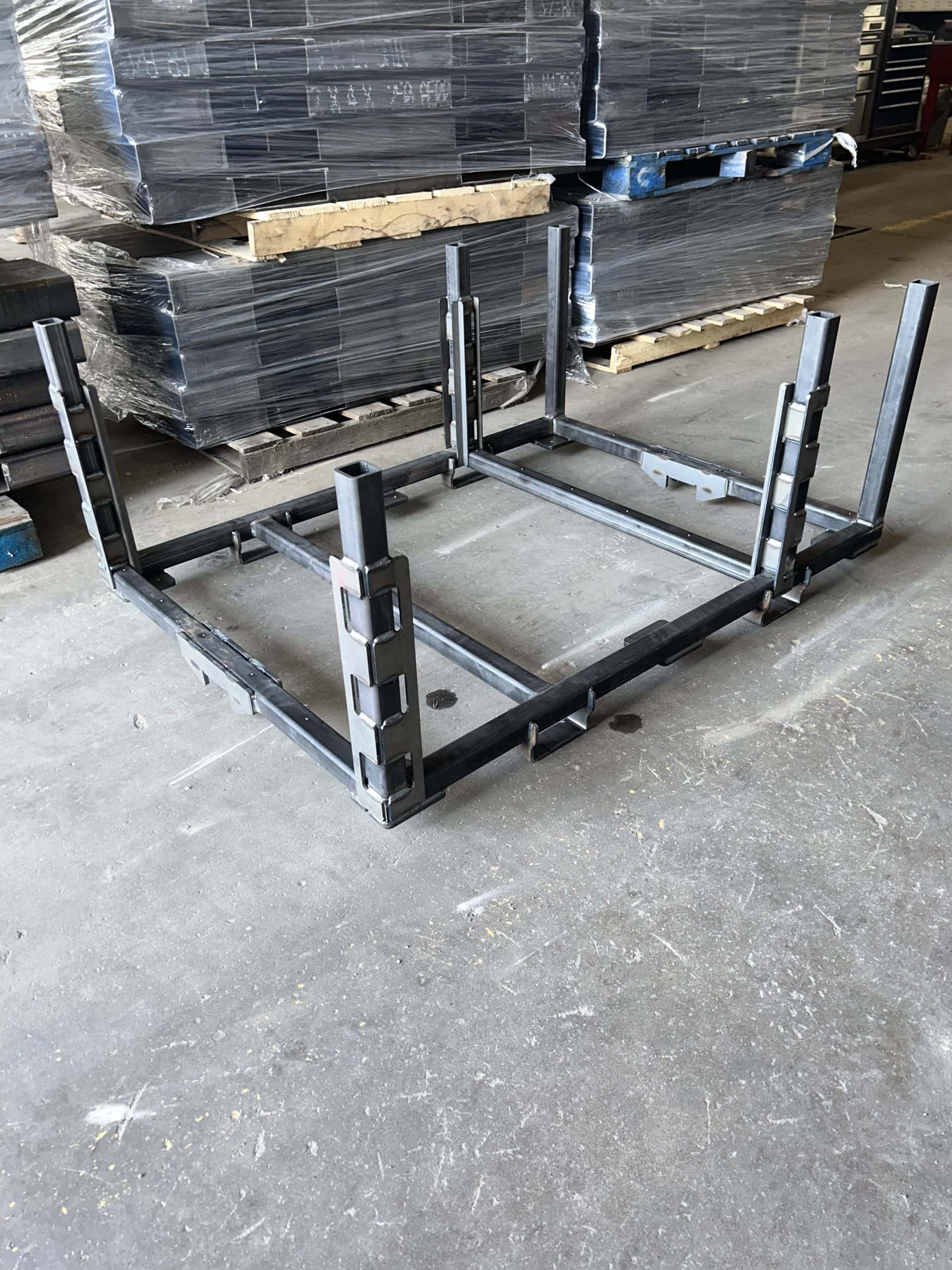
What Is Pallet Racking?
Pallet racking is a heavy‑duty storage system built from upright frames and horizontal beams that support palletized loads above floor level.
Forklifts place and retrieve pallets directly from each bay, making the system ideal for high‑volume and high‑weight storage applications.
Unlike shelving systems designed for individual items, pallet racking is engineered to withstand repeated equipment interaction and significant load stress.
Where Pallet Racking Is Commonly Used
Pallet racking systems are commonly found in:
In these environments, aisle layout, rack height, and beam spacing are coordinated with forklift selection to improve efficiency and reduce congestion.
When Pallet Racking Is The Right Choice
Pallet racking is a strong fit when operations require:
- Forklift‑based handling
- Consistent pallet sizes and weights
- Long‑term, scalable storage capacity
- Reliable access to individual pallets
Facilities choose pallet racking because it delivers strength, familiarity, and predictable performance in demanding environments.
Key Design and Planning Considerations
Effective pallet racking design considers more than available floor space. Planning typically includes pallet dimensions, load weight, aisle width, lift truck type, and ceiling height.
Additional considerations include rated load capacities, anchoring requirements, impact protection, and future expansion needs. Small design decisions can significantly affect safety and long‑term efficiency.