Efficiency determines profitability in modern warehouse operations. Every minute spent searching for inventory, every dollar lost to damaged goods, and every square foot of wasted warehouse space directly impacts your bottom line. At a time when storage costs continue rising, labor shortages persist, and customer expectations demand faster order fulfillment, warehouses need smarter storage solutions that maximize every inch of available space.
Stack racks are changing how successful operations manage their warehouse storage. These versatile warehouse racking systems deliver measurable improvements in order fulfillment speed, product protection, and space utilization—all factors that separate efficient warehouses from those struggling with outdated storage methods.
Why Stack Racks Transform Warehouse Operations
Your warehouse storage system forms the foundation of your entire operation. How efficiently you organize, access, and protect inventory determines throughput, accuracy, and profitability. Stack racks offer warehouse managers several distinct advantages that traditional pallet rack systems cannot match.
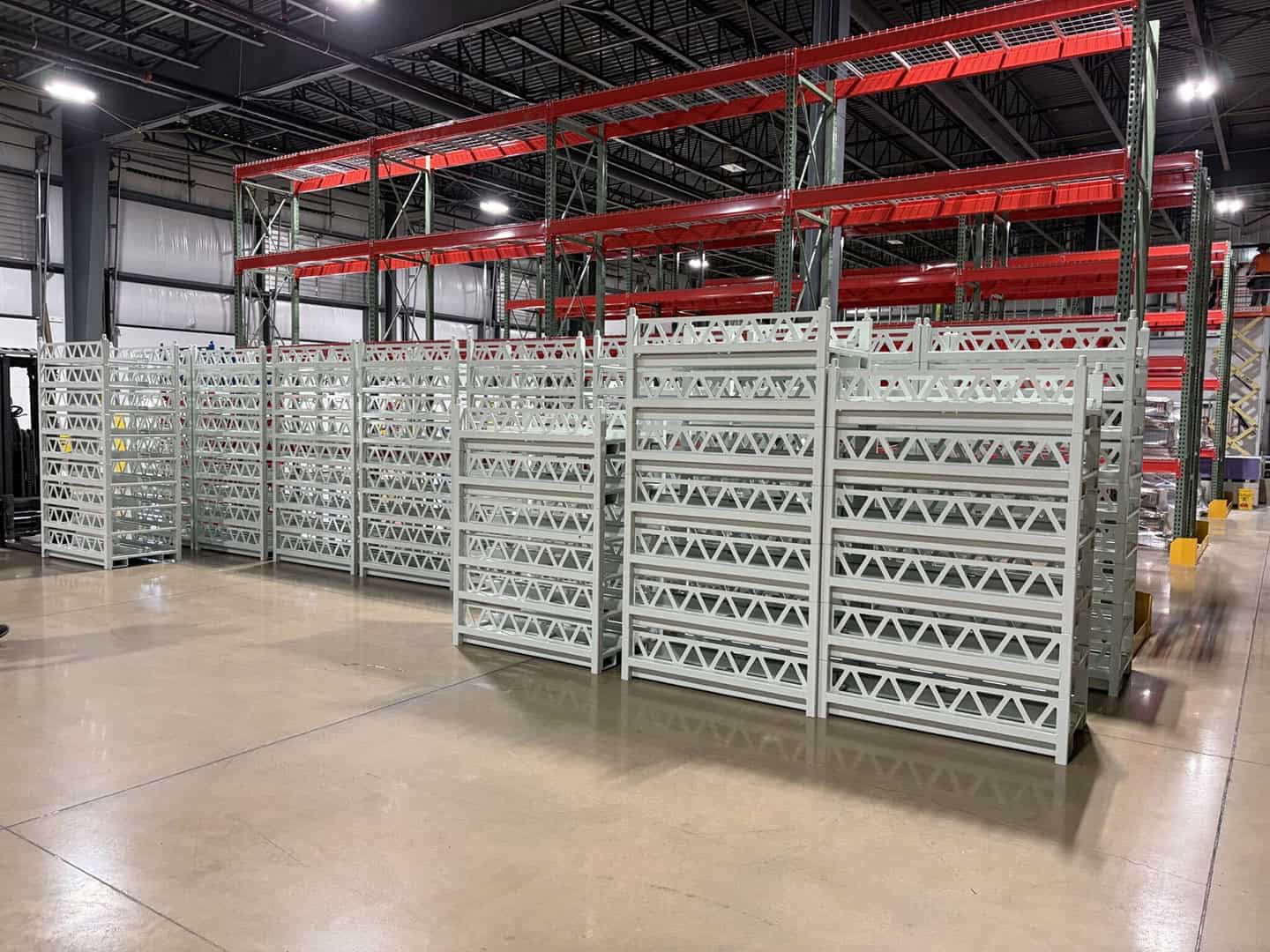
These portable warehouse racks provide flexibility that fixed storage solutions never will. When demand spikes or inventory mix changes, you can reconfigure your storage areas quickly without construction delays or permanent infrastructure changes. When you need additional capacity, deploy more stack racks. When seasonal demand drops, these storage racks collapse and nest together, freeing up valuable floor space. That adaptability matters when your business depends on responding quickly to market changes and customer requirements.
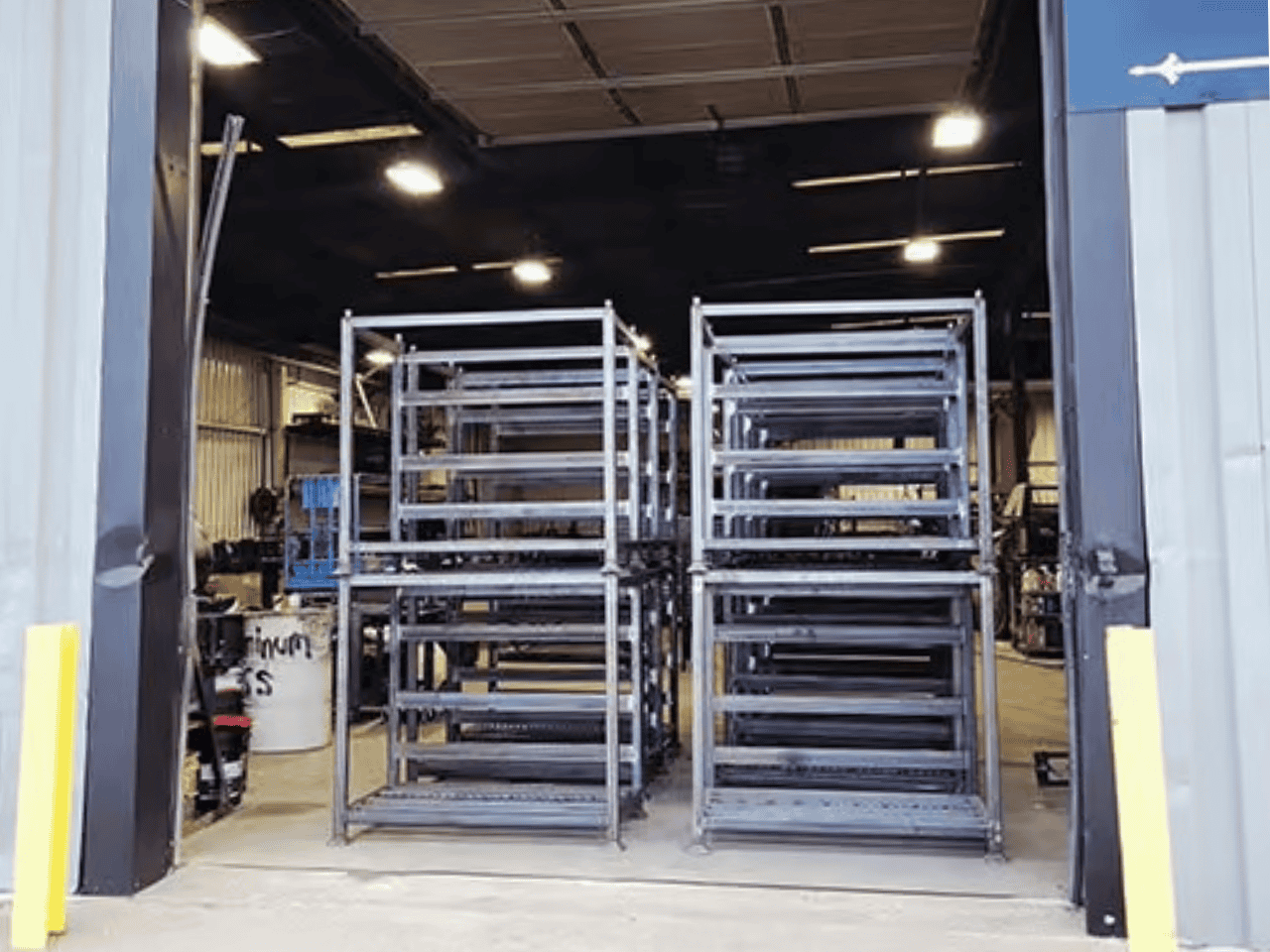
The durability of properly constructed stack racks also protects your inventory investment. Built from heavy-gauge welded steel with reinforced corners, these rack systems withstand daily forklift traffic and intensive warehouse activity. They create protective barriers around stored goods that significantly reduce product damage from impacts, moisture, and handling errors. For operations managing high-value inventory or fragile products, this protection directly improves your bottom line.
Maximizing Vertical Space and Storage Capacity
Traditional floor storage leaves tremendous warehouse potential untapped. Most facilities have substantial vertical space that goes completely unused, representing wasted capacity that companies are essentially paying rent on without gaining benefit. Stack racks solve this fundamental inefficiency by enabling safe vertical storage that can double or triple your effective storage capacity within existing warehouse footprints.
This vertical space utilization transforms warehouse economics. Instead of leasing additional facilities or building expensive expansions, operations can accommodate growing inventory volumes in current locations. The rack systems stack securely to considerable heights while maintaining easily accessible inventory throughout. Material handling equipment can retrieve products from upper levels efficiently, keeping goods in active rotation rather than buried in storage areas where they become difficult to locate and manage.
The space efficiency these storage solutions deliver shows up immediately in warehouse management metrics. Operations report increases in storage density ranging from fifty to one hundred fifty percent depending on ceiling height and product characteristics. For warehouses in premium locations or tight urban markets where real estate costs create constant pressure, that improved capacity provides substantial competitive advantages.
Improving Order Fulfillment and Warehouse Workflow
Stack racks create organized warehouse storage that streamlines order fulfillment processes from receiving through shipping. When inventory occupies clearly designated positions within these warehouse racking systems, workers locate specific items quickly and accurately. This organization reduces picking time per order, increases throughput, and minimizes errors that create costly returns and customer dissatisfaction.
The benefits extend throughout warehouse operations. During receiving, incoming products get assigned to specific stack rack locations based on logical storage strategies—whether by SKU, order velocity, customer, or product family. Warehouse management systems integrate seamlessly with stack rack configurations, providing real-time inventory visibility and optimized picking paths. This systematic approach transforms chaotic warehouse environments into efficient operations where every team member understands exactly where products belong.
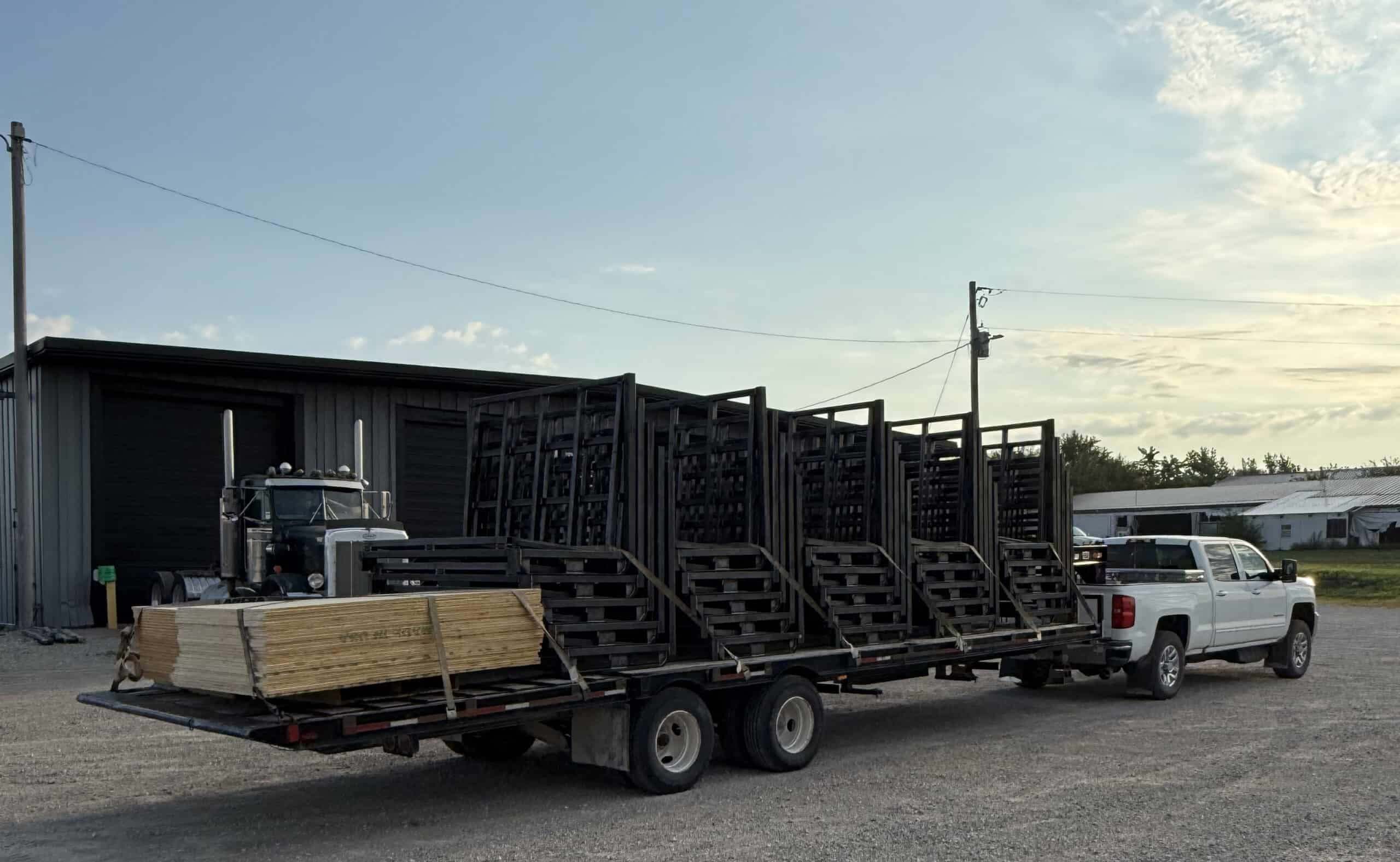
Transportation and logistics operations see particular benefits from stack racks in cross-dock and consolidation scenarios. Products destined for specific routes or customers can be staged together in portable stack racks, then moved efficiently to loading docks when trucks arrive. This eliminates scattered picking throughout the warehouse and reduces loading times significantly, keeping delivery schedules on track and drivers productive.
Implementing Stack Racks Strategically
Adding stack racks to improve warehouse operations requires analysis rather than simply purchasing equipment. Start by evaluating your product characteristics, storage requirements, and operational workflows. Which items have highest turnover? Where do bottlenecks occur in current processes? What storage system configurations would best support your specific needs?
Quality matters significantly with warehouse racking systems that will handle daily use and heavy loads. Look for welded construction rather than bolted assemblies, reinforced corners that withstand impacts, and protective finishes that resist corrosion. Well-built racks increase warehouse efficiency for decades while cheaper alternatives create ongoing maintenance problems and safety concerns.
Training ensures your team captures the full benefit of new warehouse storage systems. Operators need to understand safe stacking heights, load weight limits, and proper handling techniques. Warehouse managers should establish clear protocols for inventory assignment to specific rack locations, maintaining the organization that makes these storage racks so effective.
The Path Forward
Warehouse efficiency comes from making smart decisions about equipment, layout, and processes. Stack racks represent a proven approach to improving warehouse operations with reasonable capital investment and quick implementation. They address fundamental challenges that every warehouse faces: maximizing limited space, protecting valuable inventory, organizing diverse products, and enabling fast order fulfillment.
The warehouse racks deliver results across diverse industries and operation types. Whether you are managing retail distribution, manufacturing logistics, third-party warehousing, or transportation operations, these versatile warehouse storage systems provide measurable improvements that directly support business objectives. In an industry where efficiency determines who wins contracts and who struggles to compete, stack racks offer practical solutions that transform warehouse performance from acceptable to exceptional.